

Linen is a highly durable fabric known for its impressive strength and longevity. Its flax fibers resist breaking and tearing, as tight weaves improve structural stability. Unlike synthetic fabrics, linen breathes well and wicks moisture effectively, providing superior comfort and eco-friendliness. It's commonly used in fashion for summer clothing and accessories, thanks to its lightweight nature. Those wanting to discover more about linen's history and care methods will find plenty of intriguing details ahead.
Article Highlights
- Linen, made from flax fibers, has a high tensile strength that resists breaking and tearing, enhancing durability.
- The tight weaves and patterns of linen contribute to its structural stability, making it long-lasting.
- Linen absorbs moisture without weakening, reducing the risk of mold and mildew growth over time.
- Its natural resistance to dirt and dust simplifies maintenance, further extending its lifespan.
- Linen is eco-friendly and biodegradable, ensuring it won't contribute to landfill accumulation like synthetic fabrics.
The History of Linen

Linen, one of the oldest textiles known to humanity, has a rich history that dates back thousands of years. Its origins trace back to ancient Egypt, where it was prized for its durability and breathability. Egyptians used linen for clothing, burial shrouds, and even for writing materials, showcasing its versatility. As trade expanded, linen spread across various cultures, from the Greeks to the Romans, who likewise recognized its benefits. The ancient uses of linen extended to household items such as tablecloths and bed linens, emphasizing its importance in daily life. Over the centuries, linen remained a symbol of quality and craftsmanship, reflecting the skill of those who produced it. Today, its heritage continues to influence modern textiles.
Properties That Make Linen Durable
Renowned for its longevity, linen boasts a unique set of properties that contribute to its remarkable durability. The strength of linen fibers, derived from the flax plant, surpasses many other natural fibers, ensuring it withstands wear and tear. Moreover, various linen weaving techniques improve its structural integrity, allowing it to maintain shape and resist fraying.
| Property | Description | Impact on Durability |
|---|---|---|
| Fiber Strength | High tensile strength of flax fibers | Resists breaking and tearing |
| Weaving Techniques | Tight weaves and patterns | Improves structural stability |
| Moisture Absorption | Absorbs moisture without weakening | Reduces mold and mildew growth |
| Breathability | Allows air circulation | Prevents overheating |
| Natural Resistance | Naturally resistant to dirt and dust | Easier to maintain |
Linen vs. Synthetic Fabrics

When comparing linen to synthetic fabrics, breathability and comfort often come to the forefront. Linen's natural fibers allow for better air circulation, making it a preferred choice in warmer climates. Furthermore, the environmental impact of both fabric types raises important questions about sustainability in the textile industry.
Breathability and Comfort
Though many fabrics claim to offer comfort, few can match the breathability of linen, especially when compared to synthetic alternatives. Linen stands out as one of the most breathable textiles, allowing air circulation and moisture evaporation, which greatly improves comfort benefits. Synthetic fabrics, in contrast, often trap heat and moisture, leading to discomfort, particularly in warmer conditions.
| Feature | Linen | Synthetic Fabrics |
|---|---|---|
| Breathability | High | Low |
| Moisture Wicking | Excellent | Poor |
| Comfort Level | Superior | Variable |
In essence, choosing linen over synthetic options not only promotes comfort but also guarantees a more enjoyable wearing experience in various climates.
Environmental Impact Comparison
Linen's natural properties not merely improve comfort but furthermore contribute to its eco-friendliness. Unlike synthetic fabrics, which often rely on petroleum-based materials and involve harmful manufacturing processes, linen is derived from the flax plant, requiring less water and fewer pesticides. This eco-friendly production method emphasizes sustainability benefits that align with growing environmental concerns. In addition, linen's biodegradability means it won't linger in landfills like synthetic alternatives. When considering the entire lifecycle of fabrics, linen emerges as a more sustainable choice. Its durability likewise leads to longer-lasting products, reducing the need for frequent replacements. On the other hand, synthetic fabrics can contribute to microplastic pollution and are less environmentally responsible. Consequently, linen stands out as an eco-conscious fabric option in today's market.
Common Uses of Linen in Fashion
Linen is a popular choice in fashion for its versatility and breathability, making it ideal for a range of clothing items. From casual summer dresses to customized suits, linen styles offer a relaxed yet sophisticated look that many appreciate. Its lightweight nature keeps wearers cool, which is especially beneficial in warmer weather. Furthermore, linen accessories, such as bags, scarves, and hats, complement outfits as they provide the same breathability and comfort. Designers often choose linen for its natural texture and ability to drape beautifully, which can improve any ensemble. As a result, linen remains a staple in both everyday wardrobes and high-fashion collections, showcasing its timeless appeal and practicality in fashion.
Incorporating Linen Into Home Decor

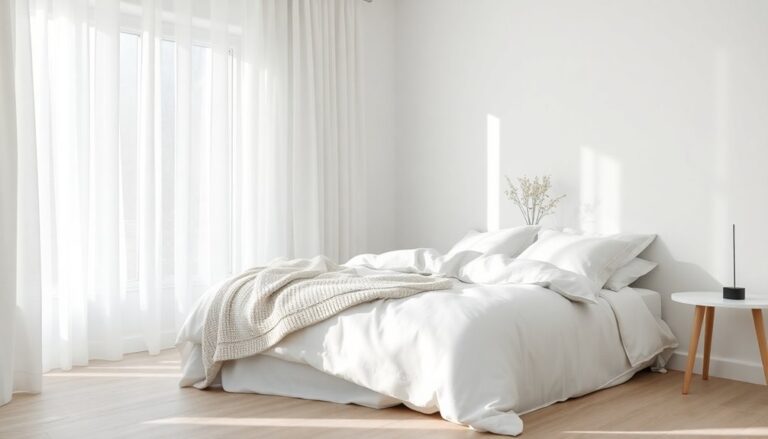
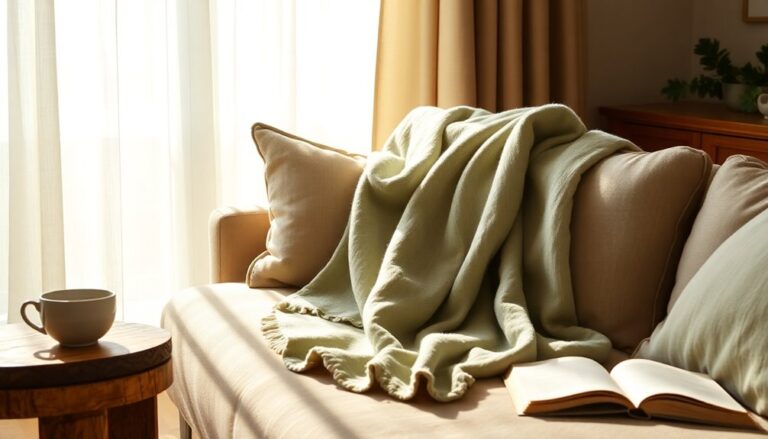
The versatility of linen extends beyond fashion, making it an excellent choice for home decor as well. Homeowners often choose linen curtains to add a touch of elegance and natural light to their spaces. These curtains not only improve aesthetics but also offer durability and breathability, creating a comfortable atmosphere. Furthermore, linen upholstery presents a refined option for furniture, providing both style and resilience. Its textured finish adds character as it maintains a sophisticated look. By incorporating linen elements, such as curtains and upholstery, one can achieve a timeless, inviting environment that reflects a balance of comfort and style. Overall, linen's unique qualities make it a popular choice for improving various home decor themes.
Caring for Your Linen Fabrics
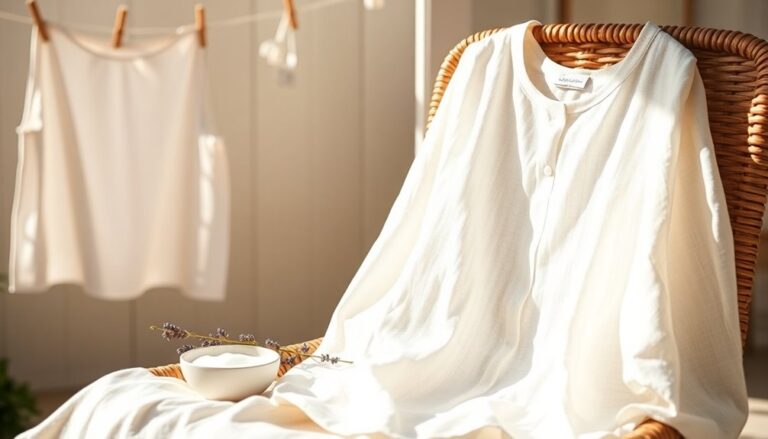
Even though caring for linen fabrics might seem intimidating at first, it's quite manageable with the right approach. Linen washing is vital to maintain the fabric's durability and appearance. It's recommended to wash linen in cold or lukewarm water using a gentle cycle, avoiding harsh detergents that can strip its natural fibers. Air drying is preferable, as it helps preserve the fabric's integrity, but if using a dryer, a low heat setting is best.
For linen storage, it's important to keep the fabric in a cool, dry place. Avoid folding linen for long periods, as it can create creases. Instead, consider rolling it or using breathable bags to prevent moisture buildup. Following these tips guarantees linen remains beautiful and functional for years to come.
Frequently Asked Questions
Is Linen Suitable for All Skin Types?
When considering if linen's suitable for all skin types, one must think about individual skin sensitivity. Although linen's known for its fabric breathability, it can sometimes irritate sensitive skin. Most people find linen comfortable and hypoallergenic, making it a good choice. Nevertheless, those with specific allergies or sensitivities should test it first. Overall, linen's natural properties often help it cater to various skin types, but caution is advised for particularly sensitive individuals.
Can Linen Be Dyed Different Colors Easily?
Linen can certainly be dyed different colors, but it requires specific techniques. The process of linen dyeing can be tricky; it's crucial to use the right dyes and methods to achieve lively results. Although some dyes may result in excellent colorfastness of linen, others might fade over time. For those looking to experiment, comprehending these dyeing techniques can help guarantee that the colors remain rich and enduring throughout their use.
How Does Linen Compare in Cost to Cotton?
When considering linen pricing comparison to cotton, it's clear that linen often comes at a higher cost. This difference is largely owing to the labor-intensive process required for linen production. As cotton market trends fluctuate based on supply and demand, linen tends to maintain a more stable price point. Consequently, those looking for a budget-friendly option might lean in the direction of cotton, but they should weigh the unique qualities each fabric offers.
Is Linen More Eco-Friendly Than Other Fabrics?
In the fabric of eco-friendliness, linen often shines brighter than many textiles. It's known for its sustainable production practices and its ability to decompose, making it a biodegradable material. With fewer pesticides and water needed during cultivation, linen's environmental footprint is lighter. Although other fabrics may tread heavily on the planet, linen dances gracefully, appealing to those who value both style and sustainability in their wardrobe choices.
What Is the Best Way to Store Linen Garments?
In terms of storing linen garments, proper garment folding is essential. To prevent creases, one should fold the items neatly and avoid overpacking. Moreover, climate control plays a significant role; keeping the storage area cool, dry, and dark helps preserve the fabric's integrity. It's best not to use plastic bags, as they can trap moisture. Instead, breathable cotton or muslin bags can protect the garments while permitting them to breathe.